







Stonechat
Saxicola Common
 Very common
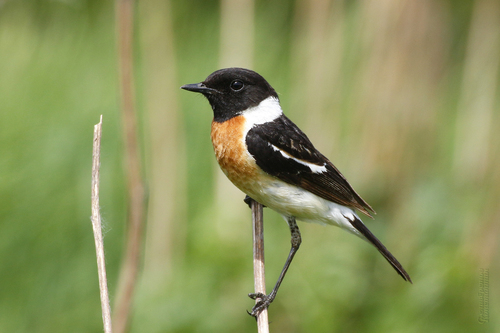
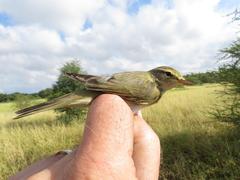
Aves Saxicola are a genus of small passerine birds commonly known as the "stonechats" in English. This name is derived from their characteristic call, which resembles two stones being tapped together. They are part of the Old World flycatcher family, Muscicapidae. In the Comunidad Valenciana, you are most likely to encounter the European Stonechat (Saxicola rubicola), a well-known species within this genus.
The European Stonechat can be easily recognized by its distinctive appearance and behavior. Below are some of its key features:
- Size: These birds are relatively small, typically measuring around 11.5 - 13 cm in length with a wingspan of around 18 - 21 cm.
- Plumage: Males are particularly striking with black heads, orange-red breast, and a conspicuous white neck patch. Females and juveniles are more subdued in coloration but can be identified by their mottled brown feathering and pale underparts.
- Habitat: Stonechats are commonly found in open fields, heathlands, and grasslands. They prefer areas with low vegetation for perching and abundant insects for feeding.
- Behavior: These birds are known for their alert and perky behavior, often seen flitting from one perch to another. They exhibit a characteristic tail flicking habit.
- Diet: Their diet predominantly consists of insects, which they catch using an agile hunting technique. They may also consume some seeds and berries, especially during the non-breeding season.
In the Comunidad Valenciana, stonechats could be observed throughout the year, although they are more abundant during the winter months when they migrate to this region for milder conditions. Their presence is often welcomed by birdwatchers and nature enthusiasts alike.


 360° Views
 Videos
 Mountain bike
 Vall Agenda
 Weather Stations
 Time Travel
 Flora and Fauna