




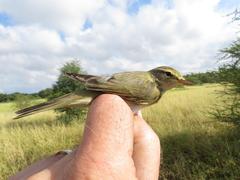
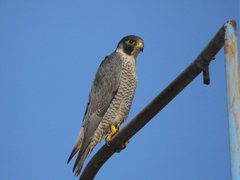
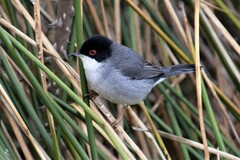
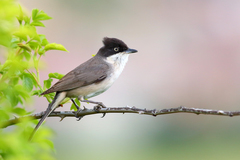

Eurasian blackcap
Sylvia atricapilla Very common
 Very common
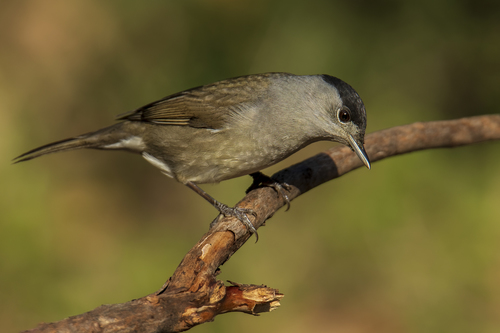
The Aves Sylvia atricapilla, commonly known as the blackcap in English, and referred to as the curruca capirotada in Spanish, is a small bird that belongs to the Sylviidae family. It is well known for its distinctive head markings, which vary between the sexes.
- Appearance: Male blackcaps have a striking black crown, while females and young birds have a brown crown. Both sexes have olive-grey upperparts and a lighter grey underside. Their eyes are dark, and they have relatively long wings and a slightly flat head.
- Size: They measure approximately 13-15 cm in length and have a wingspan ranging from 20-23 cm.
- Diet: Primarily, the blackcap's diet consists of insects and berries. During the breeding season, insects make up most of their diet, while fruit becomes important in autumn and winter.
- Habitat: The blackcap is versatile in its habitat preferences, often found in woodlands, gardens, and scrub areas. In the Comunidad Valenciana, they can be spotted in both rural and urban gardens, especially during the migration period.
- Behavior: Blackcaps are known for their melodic and varied song, making them easy to identify even without visual confirmation. Both males and females are vocal, and their song includes a mix of warbles and whistles.
- Migration: Although some blackcaps are resident in the Comunidad Valenciana year-round, many are migratory. They often travel south to warmer regions during the winter months, returning north to breed in the spring.
The blackcap is a common sight in the Comunidad Valenciana, bringing both charm and a musical presence to its landscapes. Its adaptability to different environments and its distinctive song make it a beloved bird amongst local birdwatchers and nature enthusiasts alike.


 360° Views
 Videos
 Mountain bike
 Vall Agenda
 Weather Stations
 Time Travel
 Flora and Fauna