







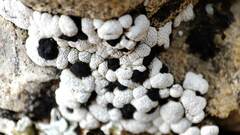

Agaricomycetes
 Very common
 Very common
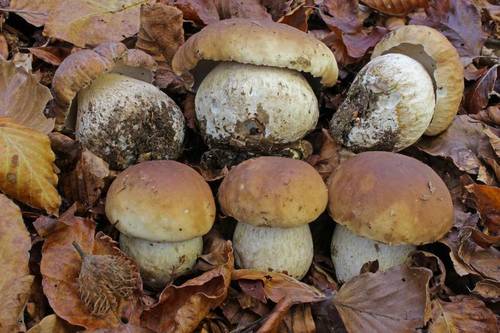
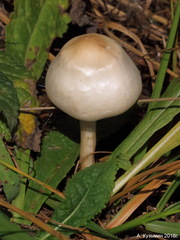
Agaricomycetes is a class of fungi that is part of the phylum Basidiomycota. The members of this class are known for producing a variety of fruiting bodies, commonly referred to as mushrooms, which are often visible above ground or on their food sources such as wood. These fungi are ecologically critical as they play a significant role in decomposition and nutrient cycling within ecosystems.
In the Comunidad Valenciana, the unique climate and diverse ecosystems provide a nurturing environment for a rich variety of Agaricomycetes. These fungi can be found in the forests, grasslands, and even in urban areas, adding to the region's biodiversity.
- Morphology: Members of the Agaricomycetes class display a wide array of shapes, sizes, and colors. The fruiting bodies can be as simple as small cup-like structures or as complex as large bracket fungi.
- Ecological Role:
- Saprophytic species play a vital role in breaking down dead organic matter, recycling nutrients back into the ecosystem.
- Mycorrhizal species form symbiotic relationships with plants, aiding in their water and nutrient absorption.
- Local Species: Some notable species in the Comunidad Valenciana include the Lactarius deliciosus, known locally as "rovelló," which is popular for its edible qualities.
- Conservation: The conservation of these fungi is important due to their crucial role in maintaining the health of ecosystems. Efforts are made to protect their habitats from overharvesting and environmental degradation.
The Agaricomycetes form an essential component of the region’s natural heritage, offering both ecological benefits and cultural significance through their use in local cuisine and traditional practices.


 360° Views
 Videos
 Mountain bike
 Vall Agenda
 Weather Stations
 Time Travel
 Flora and Fauna