








Bankeraceae
 Common
 Very common
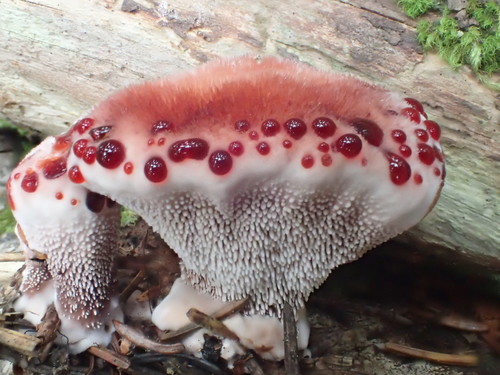
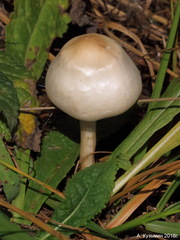
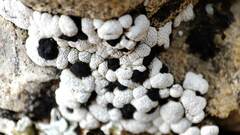
The Fungi Bankeraceae family comprises a group of unique fungi, primarily characterized by their spongy, tooth-like structures where spores develop. Members of this family are commonly known as tooth fungi due to these distinct spore-bearing surfaces.
In the Comunidad Valenciana, these fungi play essential roles in forest ecosystems, often forming symbiotic relationships with trees, which contribute significantly to nutrient cycling and forest health.
- Ecological Role: Many species in the Bankeraceae family form mycorrhizal associations with trees, aiding in the absorption of water and nutrients, while also benefiting from the carbohydrates produced by trees.
- Appearance: Members of this family usually bear a cap with downward-facing spines or teeth that release spores. Colors can vary widely among species, from pale creams to dark browns.
- Habitat: They are typically found in wooded areas, especially in regions with an abundance of coniferous trees. They thrive in well-drained, acidic soils common in many Valencian forests.
- Local Species: While not all species are well-documented in the Comunidad Valenciana, enthusiasts often spot varieties like Sarcodon imbricatus, colloquially known as "pinocha" due to its association with pine forests.
- Conservation: Preserving the natural habitat and maintaining healthy forest ecosystems are critical to ensuring the survival of Bankeraceae populations. Their presence indicates a healthy forest biodiversity.
Understanding and protecting the Fungi Bankeraceae is essential for sustaining the delicate ecological balance within the Comunidad Valenciana's woodlands.


 360° Views
 Videos
 Mountain bike
 Vall Agenda
 Weather Stations
 Time Travel
 Flora and Fauna