








Pezizomycotina
 Very common
 Very common
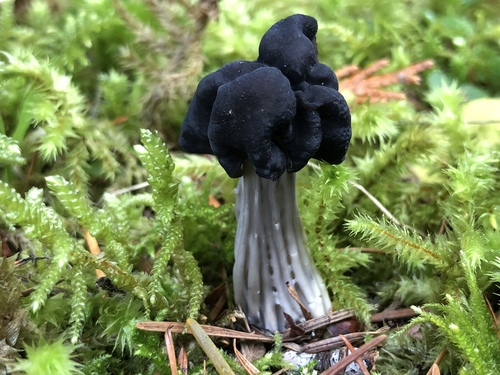
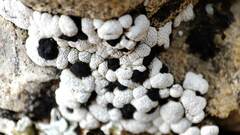
Pezizomycotina are an important subphylum of fungi within the phylum Ascomycota. Known for their variety and ecological roles, these fungi can be found in numerous habitats, including those in the Comunidad Valenciana.
The subphylum Pezizomycotina encompasses a diverse array of fungi, some of which are vital to the region's ecosystem. They include both beneficial fungi that engage in symbiotic relationships with plants, such as mycorrhizal fungi, and others which are important decomposers in the soil.
- Structure and Characteristics: Fungi under Pezizomycotina characteristically produce asci, which are sac-like structures where spores develop. They exhibit a wide range of morphologies, from microscopic yeasts to larger, more complex fruiting bodies.
- Ecological Importance: Many species play a crucial role in nutrient cycling by decomposing organic matter. Others form vital symbiotic relationships with plants, aiding in their nutrient and water absorption.
- Diversity: This subphylum includes well-known groups like Truffles (Tuber) and Morels (Morchella), which are highly valued for their culinary uses. Additionally, it includes numerous plant pathogens, such as the grapevine-affecting fungus Erysiphe necator.
- Local Presence: Given the diverse habitats found in the Comunidad Valenciana, many Pezizomycotina species thrive in the region's various ecosystems, from forest floors to coastal areas.
Overall, Pezizomycotina fungi are crucial components of natural ecosystems, and understanding their roles can offer insights into the biodiversity and ecological dynamics of areas like the Comunidad Valenciana.


 360° Views
 Videos
 Mountain bike
 Vall Agenda
 Weather Stations
 Time Travel
 Flora and Fauna