








Acridinae
 Common
 Very common
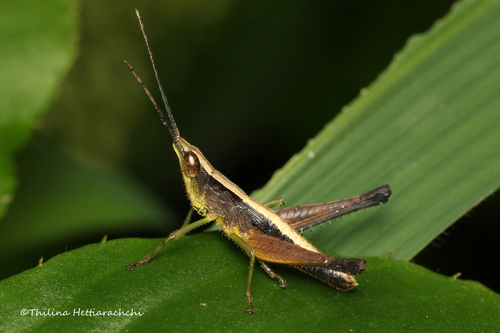
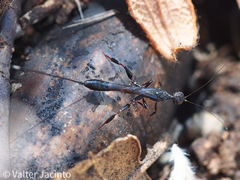
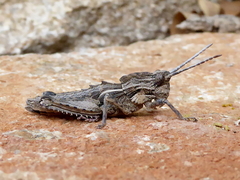
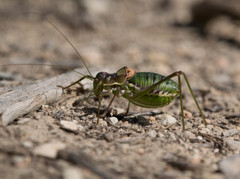
Acridinae is a subfamily within the order Insecta, commonly known as grasshoppers. These insects are part of the larger family Acrididae, often referred to as short-horned grasshoppers due to their relatively short antennae compared to other insect groups.
In the Comunidad Valenciana, the Acridinae are an important part of the ecosystem, playing a role in both the food chain and in the pollination of certain plants. These grasshoppers are known locally as "saltamontes" and can be spotted in various habitats ranging from fields to gardens.
- Habitat: Acridinae are highly adaptable and can be found in a range of environments, including grasslands, forests, and agricultural areas. They prefer open, sunny locations with plenty of vegetation.
- Diet: Predominantly herbivorous, these insects feed on a variety of plants. Their diet can sometimes bring them into conflict with agriculture as they may consume crops.
- Behavior: Known for their jumping abilities, Acridinae use their powerful hind legs to leap away from predators. They also employ camouflage to blend into their surroundings.
- Reproduction: Acridinae follow a simple lifecycle involving egg, nymph, and adult stages. Females lay eggs in the soil, which then hatch into nymphs resembling small, wingless adults.
- Ecological Importance: They serve as prey for a variety of predators, including birds and small mammals, and help to control plant populations through their feeding activities.
Overall, the Acridinae of the Comunidad Valenciana represent a fascinating component of the region's biodiversity. Their presence highlights the intricate connections between species within the ecosystem, illustrating both the beauty and complexity of local wildlife.


 360° Views
 Videos
 Mountain bike
 Vall Agenda
 Weather Stations
 Time Travel
 Flora and Fauna