







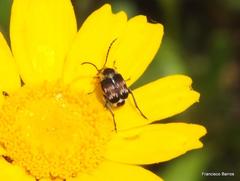
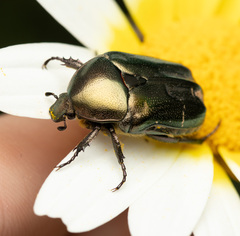
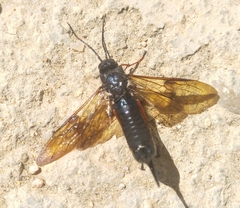
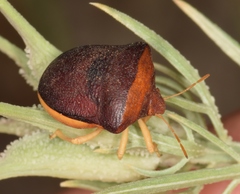
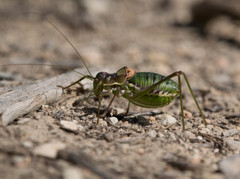
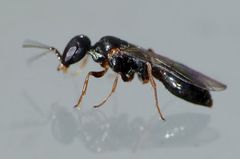

Lesser stag beetle
Dorcus parallelipipedus Common
 Very common

Dorcus parallelipipedus, commonly known as the lesser stag beetle, is a notable species within the family Lucanidae. This beetle can be encountered in the diverse habitats of the Comunidad Valenciana, where it contributes to the local biodiversity.
Physical Description:
- Adult beetles typically measure between 18 to 32 millimeters in length.
- Their bodies are robust and generally black or dark brown, with a slightly glossy appearance.
- Males and females are similar in appearance, though males possess more pronounced mandibles, which are less dramatic than those of the larger stag beetle species.
Habitat and Distribution:
- Dorcus parallelipipedus is often found in deciduous woodlands, where dead wood is abundant as they play a significant role in the decomposition process.
- They can also be located in gardens, parks, and areas with ample tree cover, particularly where oak and other hardwoods are prevalent.
Life Cycle and Behavior:
- The lifecycle begins as eggs laid in rotting wood, which hatch into larvae that continue to feed on the wood for several years.
- After pupating, adults emerge and are most active during the warmer months, typically from May to August.
- Dorcus parallelipipedus is mostly nocturnal and often found near light sources during the night.
Conservation Status:
- Although not currently endangered, habitat destruction and the removal of dead wood from woodlands can pose threats to their populations.
- They are an essential part of the ecosystem, contributing to nutrient cycling and providing a food source for other wildlife.


 360° Views
 Videos
 Mountain bike
 Vall Agenda
 Weather Stations
 Time Travel
 Flora and Fauna