






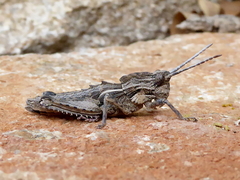
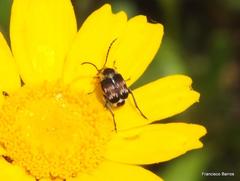
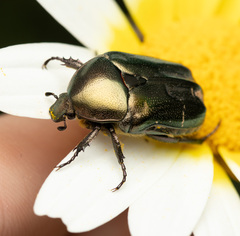
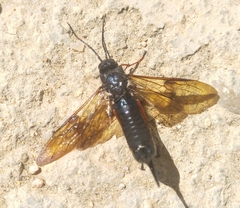
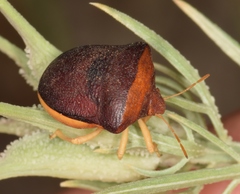
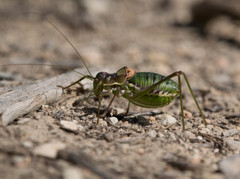
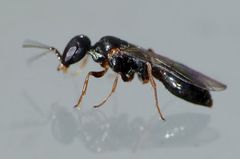

Ectobiidae
 Common
 Very common
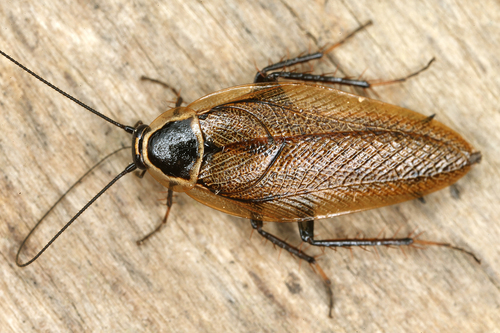
Ectobiidae (Cockroach Family)
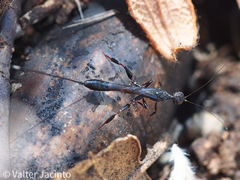
The Ectobiidae family, commonly known as cockroaches or "cucarachas" in Spanish, represents a diverse group of insects widely distributed around the world, including the Comunidad Valenciana in Spain. They are notable for their adaptability to different environments, often being found in both natural habitats and urban areas.
- Appearance: Members of the Ectobiidae family are typically small to medium-sized cockroaches. They often have a flattened, oval-shaped body, with long antennas and a shiny exoskeleton. Their coloration usually ranges from light brown to dark brown, sometimes presenting distinctive patterns.
- Habitat: Ectobiidae prefer warm and moist environments. They can be found in leaf litter, under stones, or decaying logs in forests. In urban areas, they often inhabit human-built structures where they can find shelter and food, such as basements, kitchens, and sewers.
- Diet: These cockroaches are omnivorous scavengers, primarily feeding on a wide variety of organic materials. This includes decaying matter, fungi, and even small insects, making them important participants in the ecosystem's decomposition process.
- Behavior: Ectobiidae are generally nocturnal insects. They are known for their ability to run quickly and hide in crevices to escape predators. Despite their notoriety in human environments, they play a vital ecological role by recycling nutrients.
- Reproduction: Cockroaches in the Ectobiidae family undergo a simple metamorphosis with egg, nymph, and adult stages. Females may produce egg cases known as oothecae, which they typically hide in safe locations until the nymphs hatch.
Understanding the biology and habits of the Ectobiidae family not only provides insight into their ecological importance but also helps in managing their presence in human habitats, ensuring a harmonious coexistence with these often-misunderstood insects in the Comunidad Valenciana.


 360° Views
 Videos
 Mountain bike
 Vall Agenda
 Weather Stations
 Time Travel
 Flora and Fauna