







Sarcophaga
 Common
 Very common
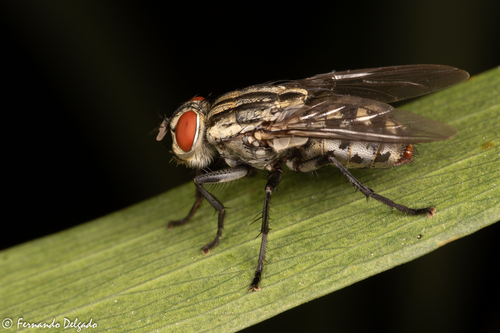
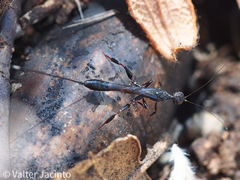
Insecta Sarcophaga, commonly known as flesh flies, are part of the Sarcophagidae family. This family is characterized by their distinctive biology and ecological role. These flies are typically grey with longitudinal black stripes on their thorax and a checkerboard pattern on the abdomen. They are medium to large-sized flies and can be found across various habitats.
Description:
- Appearance: Flesh flies exhibit a robust body structure with red eyes and bristly features. Their wings are usually clear and veined.
- Reproduction: Unlike many other flies, sarcophagids are larviparous, meaning they give birth to live larvae instead of laying eggs.
- Diet: The larvae typically feed on decaying flesh, dung, or other organic matter, playing a vital role in decomposition.
- Distribution: In the Comunidad Valenciana, these flies contribute significantly to the ecosystem, supporting nutrient recycling through decomposition.
- Local Name: In the local areas, they may be referred to as "moscas de la carne," owing to their feeding habits on decomposing material.
Flesh flies serve an essential ecological function despite being often overlooked. They help recycle nutrients back into the ecosystem, facilitating the natural breakdown of organic matter.


 360° Views
 Videos
 Mountain bike
 Vall Agenda
 Weather Stations
 Time Travel
 Flora and Fauna