







Pine processionary
Thaumetopoea pityocampa Very common
 Common
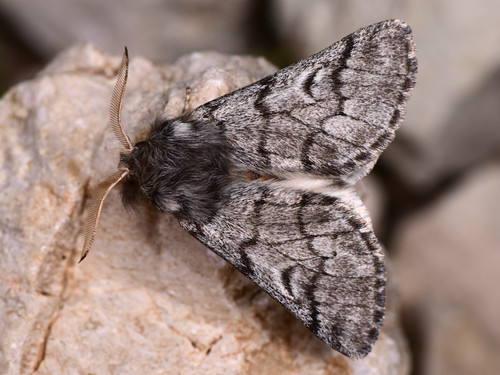
Thaumetopoea pityocampa, commonly known as the pine processionary moth, is a notable species within the region of the Comunidad Valenciana. This species is a member of the order Lepidoptera, which encompasses all moths and butterflies.
The pine processionary moth is particularly known for its larval stage, during which the caterpillars are covered in urticating hairs that can cause irritation and allergic reactions in humans and animals. The larvae are most active during the late winter and spring months, making long procession-like lines as they move in search of food, which is a peculiar characteristic giving them their common name.
Key characteristics of the Thaumetopoea pityocampa include:
- Adults are greyish moths with a wingspan of about 3-4 cm.
- Larvae are hairy, with a distinctive processional behavior when traveling from nest to feeding sites.
- Primarily feeds on pine trees, which are abundant in the region, often causing defoliation and damage to these trees.
While they are a natural part of the ecosystem, their presence can be problematic for both forestry and public health due to the aforementioned irritating hairs. Awareness and management are important to minimize their impact, especially in areas frequented by the public.


 360° Views
 Videos
 Mountain bike
 Vall Agenda
 Weather Stations
 Time Travel
 Flora and Fauna