




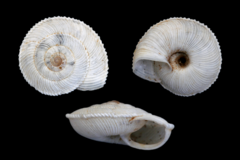

Jewel clams
Chamidae Common
 Very common
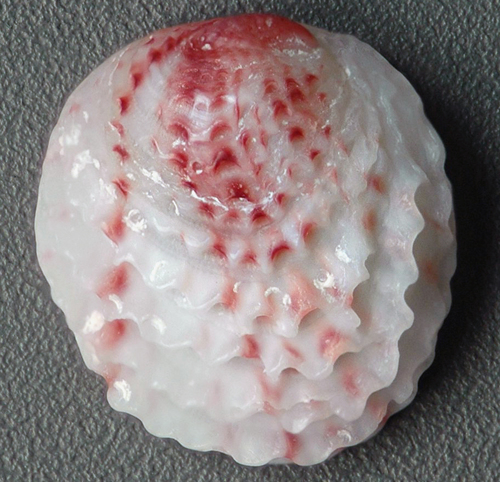
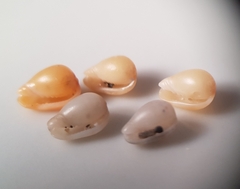
The Mollusca Chamidae, commonly known as the Chama shell or jewel box clams, are an interesting family of bivalve mollusks. They are part of the marine life found in the coastal waters of the Comunidad Valenciana. Known locally as "concha joya," these bivalves possess unique characteristics that distinguish them from other mollusks.
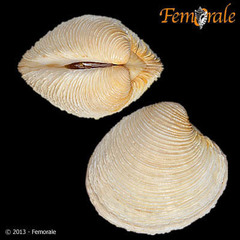
- Shell Appearance: The shells of Chama species are thick, robust, and somewhat irregularly shaped. They often have a rough, knobbly exterior which can resemble a jewel-studded box, thus their common name. The coloration varies widely, ranging from shades of white and cream to reds and browns, often with intricate patterns.
- Habitat: Chamidae are primarily found in shallow marine environments. They are often attached to rocks, coral, or other hard substrates in their habitat, using a strong byssal thread for attachment.
- Feeding: Like other bivalves, Chama species are filter feeders. They siphon water through their gills, trapping plankton and other small particles which are then transported to their digestive system.
- Reproduction: These mollusks usually exhibit separate sexes, releasing eggs and sperm into the water column where external fertilization occurs. The larvae undergo a planktonic stage before settling down and developing into adult forms.
The presence of Chama species contributes to the biodiversity and ecological balance of the coastal areas in the Comunidad Valenciana. Their unique shells are often sought after by shell collectors and can be a point of interest for marine enthusiasts exploring the region's rich aquatic life.


 360° Views
 Videos
 Mountain bike
 Vall Agenda
 Weather Stations
 Time Travel
 Flora and Fauna