








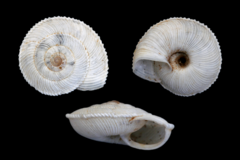

Pointed snail
Cochlicella acuta Very common
 Very common
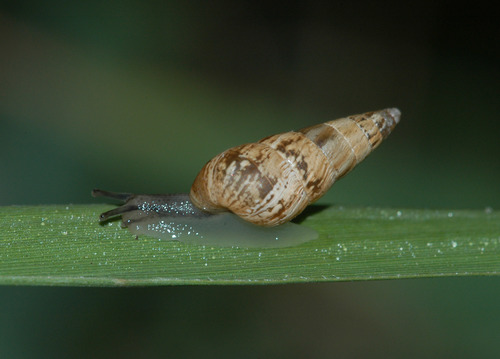
Cochlicella acuta, commonly known as the pointed snail or in some regions as the caracol cornudo, is a species of small, air-breathing, terrestrial land snail. It belongs to the family Geomitridae, which includes various land snails found throughout Europe.
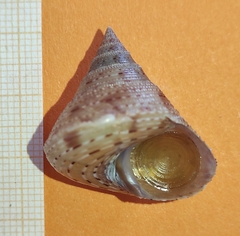
This species is known for its distinctive shell, which is elongated and tapering, resembling a miniature conical structure. The shell is typically white to cream-colored, often with brown bands or spots, allowing it to blend into its surroundings, such as sandy or dry soil regions.
- Habitat: Cochlicella acuta thrives in a variety of habitats, including coastal dunes, grasslands, and agricultural fields. It is particularly common in Mediterranean climates like that of the Comunidad Valenciana.
- Behavior: This snail is usually active during moist conditions, often after rain, when it emerges to feed on detritus and decaying organic matter.
- Distribution: Native to Western Europe, Cochlicella acuta can also be found in many parts of Southern Europe, including Spain. The species has been introduced to other regions, including parts of Australia and New Zealand.
- Reproduction: Being a hermaphroditic species, Cochlicella acuta can self-fertilize or cross-fertilize. The snails lay small clusters of eggs in moist soil, which hatch into miniature versions of the adults.
Cochlicella acuta is an integral part of its ecosystem, playing a role in the decomposition process and serving as prey for various birds and small animals. Due to its adaptability, it is a common sight in the coastal and inland parts of the Comunidad Valenciana, contributing to the rich biodiversity of the region.


 360° Views
 Videos
 Mountain bike
 Vall Agenda
 Weather Stations
 Time Travel
 Flora and Fauna