








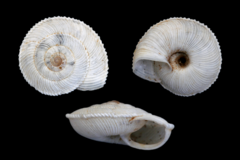

Limpet
Patelloidea Common
 Very common
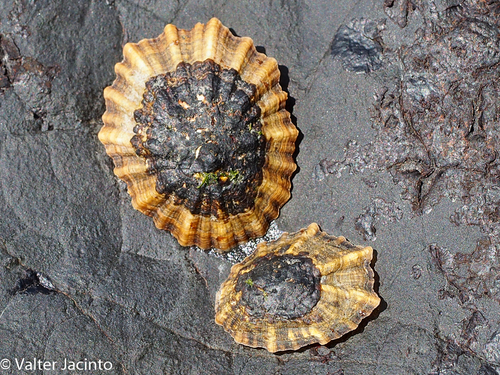
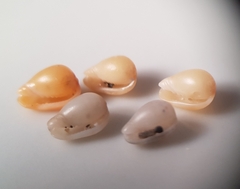
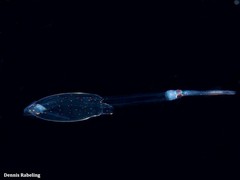
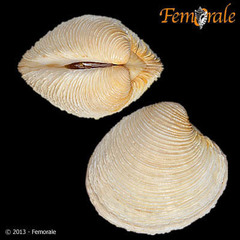
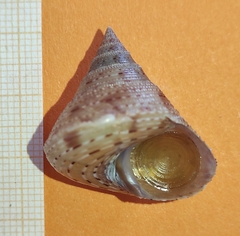
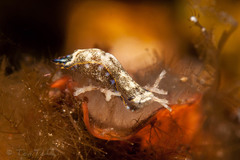
The Mollusca Patelloidea is a fascinating group of marine gastropods commonly referred to as limpets. These creatures are a significant part of the marine biodiversity along the coastlines of the Comunidad Valenciana.
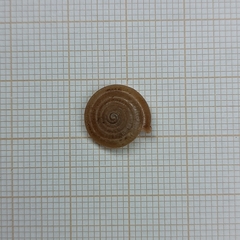
Limpets belong to the subclass Patellogastropoda within the phylum Mollusca. They are known for their distinct conical shells, which offer both protection and camouflage. These shells can vary in color, often displaying hues that blend seamlessly with their rocky habitats.
Some of the notable characteristics of Patelloidea include:
- Habitat: They are primarily found clinging to hard substrates such as rocks and piers in the intertidal zone, an area well-known for its ever-changing environment due to tides.
- Feeding: Limpets are herbivores, using a specialized tongue-like organ called a radula to graze on algae and biofilm that cover the surfaces they inhabit.
- Adaptations: To withstand the forces of waves and potential predators, limpets have a strong muscular foot that helps them adhere firmly to surfaces. This adaptation not only aids in stability but is also key during their feeding activities.
- Local Significance: In the Comunidad Valenciana, limpets are not only an ecological asset but also feature in local traditions and cuisine where they are sometimes used in regional seafood dishes.
Overall, the Mollusca Patelloidea plays an essential role in the ecology of coastal areas, contributing to the balance of marine ecosystems by limiting algal overgrowth and serving as prey for higher trophic levels.


 360° Views
 Videos
 Mountain bike
 Vall Agenda
 Weather Stations
 Time Travel
 Flora and Fauna