










Claviceps
 Uncommon
 Uncommon
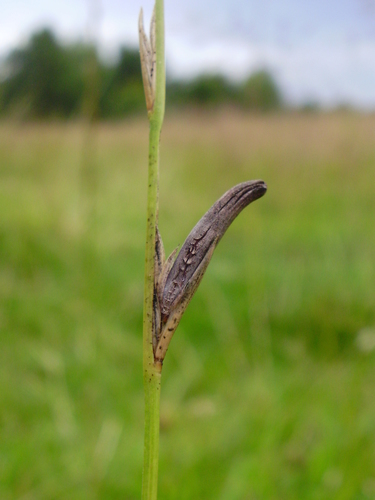
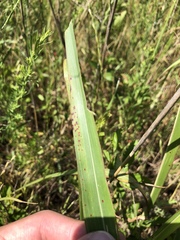
Fungi Claviceps, commonly known in the Comunidad Valenciana as "cornezuelo del centeno," is a genus of ascomycete fungi known for its significant agricultural and historical impact. This fungus primarily infects grasses, particularly rye, leading to the production of ergot alkaloids which have profound effects on both animals and humans who consume contaminated grains.
- Appearance: Claviceps fungi are characterized by their dark sclerotia, which replace the grains in the seed heads. These are hard, elongated structures that contain the spores of the fungus.
- Lifecycle: The lifecycle of Claviceps begins with the sclerotia overwintering in the soil. In the spring, they germinate to form tiny mushroom-like structures that release spores. These spores infect young grasses during flowering, replacing seeds with sclerotia.
- Impact on Agriculture: Infestations of Claviceps can lead to significant agricultural damage due to the toxic sclerotia contaminating food supplies. This can result in ergotism, historically known as "St. Anthony's Fire," a severe condition in humans caused by the consumption of ergot-contaminated grain.
- Uses and Significance: Despite its harmful effects, ergot alkaloids have been instrumental in pharmacology. Derivatives are used in medicine to induce labor and to treat migraines and other vascular headaches.
The presence and study of Claviceps in the Comunidad Valenciana and broader regions highlight the delicate balance between its ecological role and its potential risks to agriculture and health. Proper management and awareness are crucial to mitigating its impact while leveraging its medicinal benefits.


 360° Views
 Videos
 Mountain bike
 Vall Agenda
 Weather Stations
 Time Travel
 Flora and Fauna