







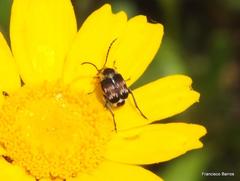
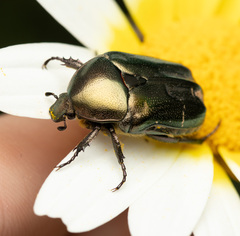
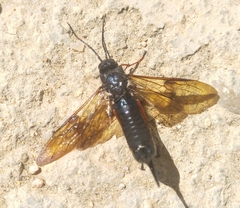
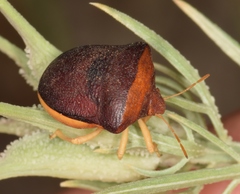

Dactylopius
 Uncommon
 Uncommon
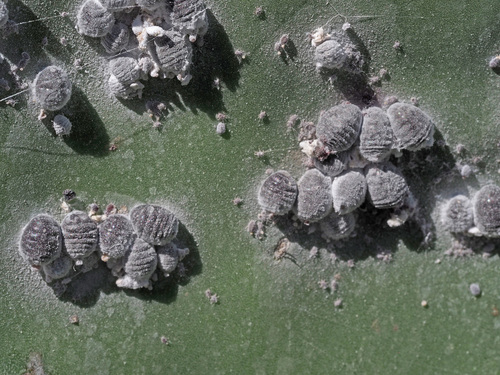
Insecta Dactylopius is a fascinating species that belongs to the order Hemiptera, commonly known in the Comunidad Valenciana as the cochineal or "cochinilla." These insects are renowned for their ability to produce carminic acid, a potent red dye, which has historically been used in art, textiles, and foods.
The Dactylopius species are small, scale-like insects, and are typically found on cacti, particularly the prickly pear (Opuntia) plants, where they form a white, cottony mass. These colonies can often be seen on the cacti pads, indicating their presence.
- Appearance: Cochineals are small, about 3-5 mm in length, with soft, oval-shaped bodies. The females are wingless, while the males possess wings but are shorter-lived.
- Lifecycle: The lifecycle begins with the female laying eggs, which hatch into nymphs. These nymphs will find a suitable place on the cactus to feed and develop into adults.
- Economic Importance: Historically, the dye extracted from Dactylopius has been highly valued. Today, it is still used in various industries for its natural coloring properties.
- Ecological Role: Cochineals play an important role in their ecosystems, serving as food for various insectivores and aiding in the control of prickly pear populations.
In the Comunidad Valenciana, the presence of Dactylopius fosters both a historical connection with traditional dyeing practices and a role in the natural landscape.


 360° Views
 Videos
 Mountain bike
 Vall Agenda
 Weather Stations
 Time Travel
 Flora and Fauna