









Horseshoe bat
Rhinolophus Uncommon
 Uncommon
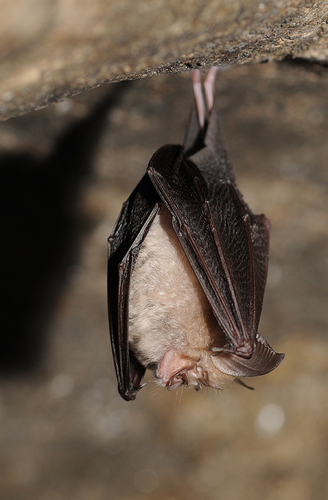
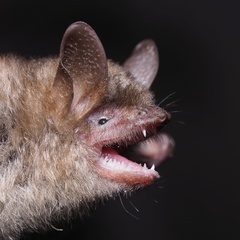
Mammalia Rhinolophus, commonly known as the horseshoe bat, is a fascinating species found within the Comunidad Valenciana. These small bats are distinguished by their unique horseshoe-shaped nose leaf, which is used for echolocation—a critical aspect of their hunting and navigation methods.
Characteristics:
- Size: Typically, horseshoe bats have a wingspan of up to 35 centimeters, though body size can vary slightly depending on the species.
- Coloration: Their fur can range from grey-brown to reddish-brown, with a lighter underside, which helps them blend into their roosting environments.
- Nose Leaf: The distinctive horseshoe-shaped protuberance on their nose is an adaptation to aid in the precision of sound waves for echolocation.
Habitat and Behavior:
- Habitat: Horseshoe bats are typically found in a variety of environments including woodland areas, caves, and sometimes buildings. In the Comunidad Valenciana, these bats are often found roosting in caves and abandoned buildings.
- Diet: They primarily feed on insects, which they catch during flight using their sophisticated echolocation abilities.
- Activity: Nocturnal by nature, they are most active during the night. During the day, they rest in dark, secluded areas.
Conservation:
The horseshoe bat is of particular interest to conservationists due to its sensitivity to environmental changes. Efforts in the Comunidad Valenciana include habitat protection and monitoring populations to ensure these unique creatures continue to thrive.
These bats play a crucial role in maintaining healthy ecosystems by controlling insect populations, demonstrating their importance within the biodiversity of the region.


 360° Views
 Videos
 Mountain bike
 Vall Agenda
 Weather Stations
 Time Travel
 Flora and Fauna