







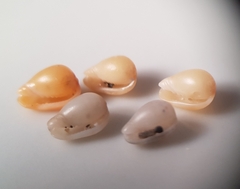
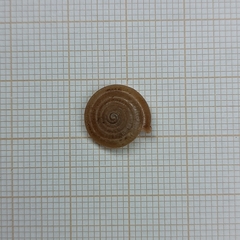



Clam
Tapetinae Common
 Very common
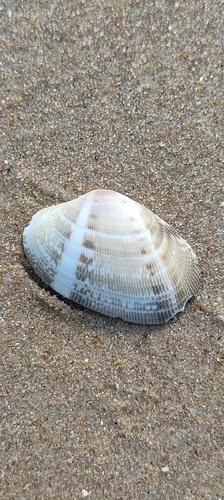
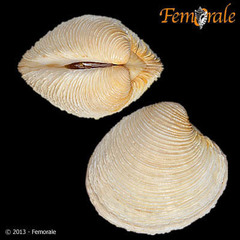
Mollusca Tapetinae is a subfamily of bivalve mollusks, known for their distinctive characteristics and ecological significance. This group includes several species that are commonly found along the coasts of the Comunidad Valenciana. Here is a detailed description of this fascinating subfamily:
- Shell Characteristics: The shells of Tapetinae mollusks are typically rounded to slightly elongated and can vary in color, often featuring a pattern that provides excellent camouflage in their natural habitats. The shells are generally smooth but can have fine-ribbed patterns.
- Habitat: Tapetinae species are usually found in sandy or muddy substrates in shallow waters, often buried just beneath the surface. These environments offer them protection and access to nutrient-rich sediments.
- Feeding: Tapetinae are filter feeders, playing a crucial role in the marine ecosystem by cleansing the water of microscopic plants and animals. They open their shells slightly to allow water to flow through, filtering out food particles.
- Reproduction: These mollusks typically reproduce by releasing their gametes into the water column, where fertilization occurs. The larval stage is planktonic, allowing them to disperse and colonize new areas.
- Local Relevance: In the Comunidad Valenciana, certain species of Tapetinae are well-known, such as the local "almeja fina," which is a culinary delicacy in the region. Their presence is indicative of healthy marine environments.
The Tapetinae not only contribute to the biodiversity of the coastal areas but are also an important part of the cultural and economic aspects of the Comunidad Valenciana. Protecting their habitats ensures the preservation of these valuable natural resources.


 360° Views
 Videos
 Mountain bike
 Vall Agenda
 Weather Stations
 Time Travel
 Flora and Fauna