










Wild asparagus
Asparagus acutifolius Common
 Rare
Rare
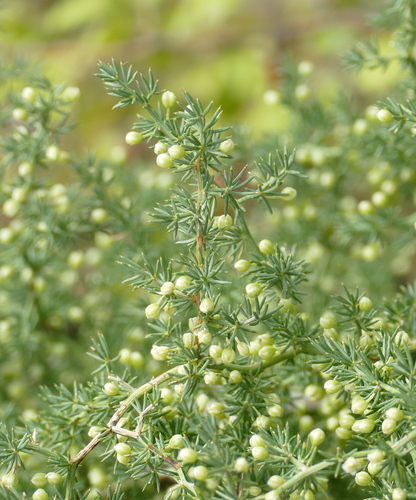
Asparagus acutifolius, commonly known as Espárrago de monte or wild asparagus, is a perennial plant native to the Mediterranean region, including the Comunidad Valenciana. It belongs to the Asparagaceae family and is renowned for its edible young shoots, similar to the cultivated asparagus.
Characteristics:
- Appearance: This plant is characterized by its slender, thorny stems and needle-like leaves that give it a bushy appearance. The stems can be up to 1.5 meters in length.
- Flowers: Asparagus acutifolius produces small, bell-shaped yellowish-green flowers from late summer to autumn.
- Fruits: After flowering, it bears small, blackish berries which are not typically consumed.
Habitat: This species thrives in dry, rocky soils and can often be found in scrublands, woodlands, and coastal areas of the Comunidad Valenciana. It is well-adapted to the Mediterranean climate, with its hot, dry summers and mild, wet winters.
Culinary Uses: The young shoots of Asparagus acutifolius are edible and sought after for their unique taste, which is slightly bitter compared to cultivated asparagus. They are typically harvested in spring and used in a variety of local dishes.
Ecological Importance: The plant provides a habitat and food source for various wildlife species, contributing to the biodiversity of the region.


 360° Views
 Videos
 Mountain bike
 Vall Agenda
 Weather Stations
 Time Travel
 Flora and Fauna