








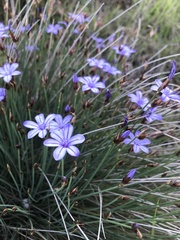

Knapweed
Centaurea Very common
 Very common
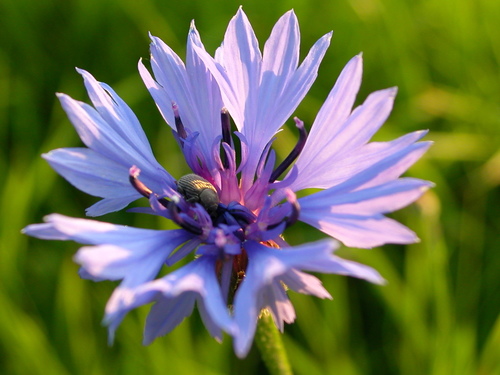
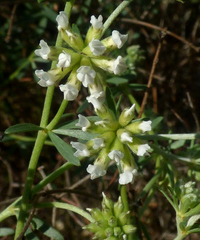
Centaurea is a diverse genus of flowering plants in the family Asteraceae, commonly known as knapweeds and star thistles. This genus is well represented in the Comunidad Valenciana, where these plants play a significant role in the local flora.
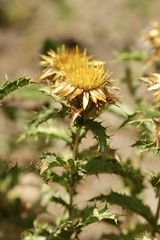
Centaurea species are characterized by their beautiful, thistle-like flower heads and their ability to thrive in a variety of habitats, from meadowlands to arid regions. They typically bloom in vibrant colors ranging from deep purples and pinks to whites and yellows, making them a visually striking presence in the landscape.
- Appearance: The plants can vary greatly in size, from small ground-cover species to larger varieties approaching one and a half meters in height.
- Leaves: They have a rosette or alternate leaf arrangement, often covered with fine hairs that give them a silvery appearance.
- Flowers: The flower heads usually possess a distinctive bract structure, often with spiny projections, and are particularly attractive to pollinators such as bees and butterflies.
In the Comunidad Valenciana, one might encounter several native species of Centaurea, each adapted to particular ecological niches. Given the region's Mediterranean climate, these plants are usually drought-resistant and can handle poor soil conditions, further contributing to their prevalence in the area.
The local names, such as "Centaury" and "Azulejos," are often used to refer to specific species of Centaurea that are prevalent in the area, indicating their cultural significance and the appreciation of their natural beauty among the inhabitants.
Overall, Centaurea not only adds aesthetic value to the natural landscapes but also provides essential ecological benefits, supporting biodiversity in the region.


 360° Views
 Videos
 Mountain bike
 Vall Agenda
 Weather Stations
 Time Travel
 Flora and Fauna