










Lotus
 Common
 Very common
```html
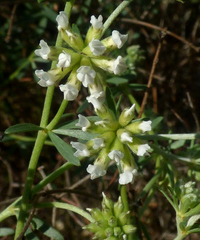
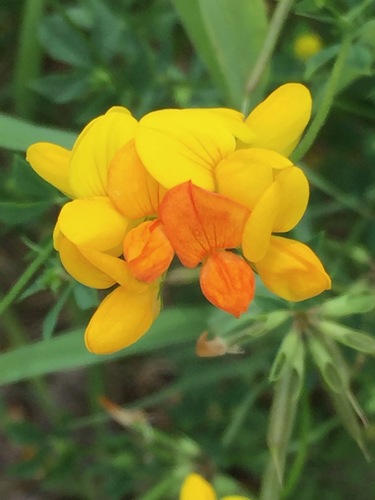
Plantae Lotus is a fascinating group of flowering plants that belong to the legume family, Fabaceae. Known for their vibrant colors and unique structures, these plants are commonly found in the Comunidad Valenciana, where they contribute to the region's natural beauty and biodiversity. Below are some features and facts about this captivating genus:
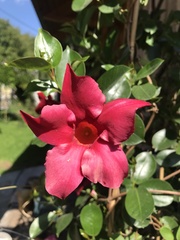
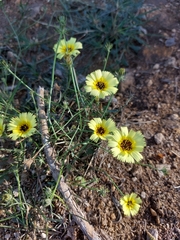
- Appearance: Lotus species typically display bright yellow, orange, or red flowers, often resembling small pea blossoms. These flowers stand out against the plant's delicate, pinnate leaves.
- Habitat: They thrive in a variety of environments, from coastal areas to inland meadows, favoring well-drained soils and sunny locations.
- Pollination: Lotus plants play a crucial role in local ecosystems by attracting pollinators such as bees and butterflies, which aid in the reproduction of not only the Lotus but also nearby plant species.
- Ecological Importance: These plants improve soil quality through nitrogen fixation, enhancing the habitat for other plant and animal species.
- Local Usage: In the Comunidad Valenciana, some Lotus species might be used in traditional landscaping or as ornamental plants due to their attractive flowers and ability to grow in challenging conditions.
Overall, the Plantae Lotus represents an essential component of the Comunidad Valenciana's ecology, offering both aesthetic appeal and functional environmental benefits.
```

 360° Views
 Videos
 Mountain bike
 Vall Agenda
 Weather Stations
 Time Travel
 Flora and Fauna