









Peach
Prunus persica Uncommon
 Common

Prunus persica, commonly known as the peach tree, is a deciduous tree native to Northwest China, where it was first domesticated and cultivated. In the Comunidad Valenciana, it is referred to as melocotonero when talking about the tree and melocotón for the fruit.
The peach tree is well-beloved for its delicious fruit and beautiful blossoms, which are a common sight in Valencian orchards. A typical mature tree can reach a height of 4-10 meters, with a spread of about 3 meters, making it a relatively small deciduous tree.
Key Characteristics:
- Leaves: The leaves are lanceolate, measuring about 7-16 centimeters long, with a finely serrated margin.
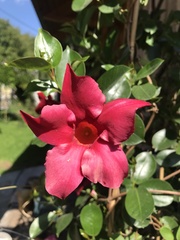
- Flowers: The tree produces pink blossoms in the spring, each flower typically containing five petals. They often bloom before the leaves appear, creating a striking visual display.
- Fruit: The peach is a sweet, juicy fruit with a characteristic fuzzy skin. It is often eaten fresh, but also used in desserts, jams, and various culinary preparations.
- Climate: The peach tree thrives in temperate climates and is well-suited to the warm, Mediterranean climate of the Comunidad Valenciana.
Ecological Importance: Beyond its agricultural value, the peach tree provides a habitat and food source for various pollinators and wildlife, enhancing the biodiversity of the region.
In Valencian agriculture, peaches are a valuable crop and play a significant role in the local economy and gastronomy, celebrated for their flavor and versatility.


 360° Views
 Videos
 Mountain bike
 Vall Agenda
 Weather Stations
 Time Travel
 Flora and Fauna