








Pear tree
Pyrus Very common
 Very common
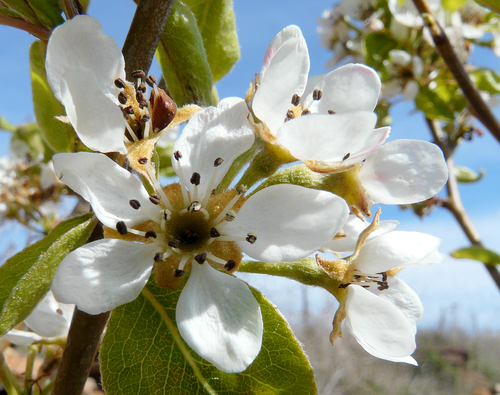
Plantae Pyrus, commonly known as the pear tree, is a deciduous tree belonging to the family Rosaceae. Known for its sweet, pomaceous fruit, the pear tree is a significant species in both wild and cultivated forms. In the Comunidad Valenciana, it is commonly referred to as "pera." The pears produced by this tree are highly valued for their delicious flavor and nutritional benefits.
Characteristics:
- Leaves: The leaves of the pear tree are simple and ovate, with a glossy green appearance in the spring and summer months, turning vibrant shades of yellow and red during the fall.
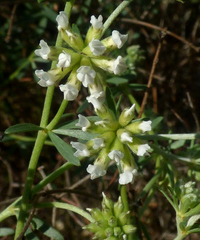
- Flowers: The pear tree produces beautiful white to pinkish flowers that bloom in early spring, often before the leaves fully emerge.
- Fruit: Pears are typically oval or teardrop-shaped, boasting a variety of skin colors, from green to yellow or red, depending on the cultivar. They are known for their juicy, sweet flesh and unique grainy texture.
Ecological Role:
The pear tree plays an important role in local ecosystems by providing habitat and food for various species of birds and insects. Its flowers are particularly attractive to pollinators such as bees, which are crucial for the fertilization process that leads to fruit production.
Uses:
- Pears are consumed fresh, canned, or as an ingredient in desserts and savory dishes.
- Pear wood is valued for its hardness and is often used in crafting furniture and musical instruments.
- The trees are also used ornamentally in landscaping for their attractive flowers and foliage.
The Comunidad Valenciana, with its favorable climate, is a suitable region for cultivating various types of pear trees, contributing to both the local agriculture and culinary scene.


 360° Views
 Videos
 Mountain bike
 Vall Agenda
 Weather Stations
 Time Travel
 Flora and Fauna