











Sarsaparilla
Smilax aspera Very common
 Uncommon
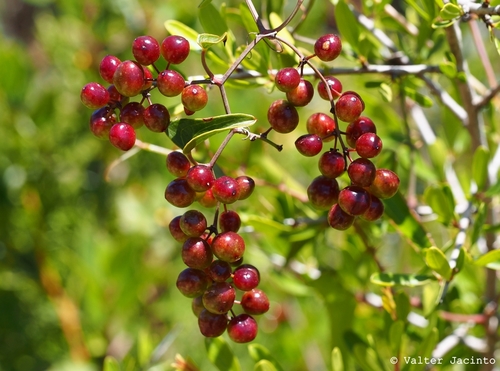
Smilax aspera, commonly known as sarsaparrilla or zarzaparrilla, is a species of flowering plant belonging to the family Smilacaceae. This climbing plant is native to the Mediterranean region, including the Comunidad Valenciana, where it is often found in shaded, woodland environments and along hedgerows.
- Appearance: Smilax aspera is characterized by its thorny, woody stems and heart-shaped, evergreen leaves. The leaves are glossy with a leathery texture, and their size can vary between different specimens.
- Flowers and Fruit: This plant produces small, fragrant flowers, which are usually greenish-white or yellowish. The blooming occurs primarily in the autumn. Following the flowering, it develops into small, red to black berries that are clustered together and are often visible during the winter months.
- Ecological Role: The berries serve as a food source for various bird species, while the dense foliage provides shelter for small animals. This plant also plays a role in stabilizing the soil, particularly in hilly and mountainous areas.
- Uses: Historically, Smilax aspera has been used for its medicinal properties, including its anti-inflammatory and diuretic effects. However, its role is now largely ecological and ornamental, appreciated in gardens for its attractive foliage and fruit.
- Local Significance: In the Comunidad Valenciana, Smilax aspera is a familiar part of the local flora, recognized for its robust nature and adaptability to the region's varied climatic conditions. The local name for this plant is "zarzaparrilla," a term that highlights its cultural relevance.


 360° Views
 Videos
 Mountain bike
 Vall Agenda
 Weather Stations
 Time Travel
 Flora and Fauna