






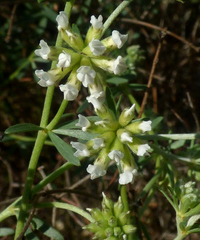
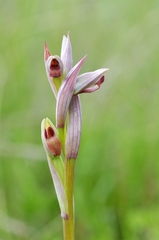

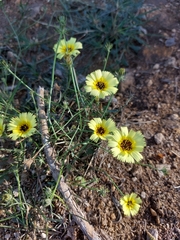
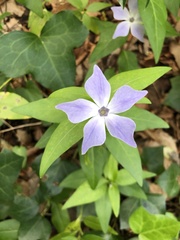

Legumes
Fabaceae Very common
 Very common
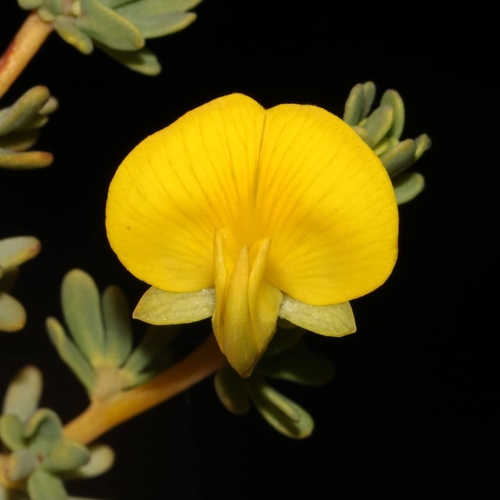
Fabaceae, commonly known as the legume, pea, or bean family, is a large and economically important family of flowering plants. These plants are renowned for their ability to fix nitrogen in the soil through symbiotic relationships with bacteria, which makes them an invaluable component of agriculture and ecosystems.
In the Comunidad Valenciana, Fabaceae species are prevalent and important both ecologically and economically. Here are some key characteristics:
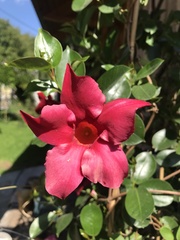
- Flowers: The flowers are often grouped into inflorescences and can be very ornate, exhibiting bright colors and a classic "pea-shaped" appearance with a distinct banner, wings, and keel petals.
- Leaves: Typically, the leaves are compound and can be pinnate, bipinnate, or trifoliate.
- Fruits: Their fruits are known as legumes or pods. They dry out upon maturity and open along a seam, releasing the seeds contained within.
- Nitrogen Fixation: Species in this family are capable of fixing atmospheric nitrogen, enhancing soil fertility, which is beneficial for sustainable farming practices.
Some notable members of the Fabaceae family that can be found in the Comunidad Valenciana include:
- Medicago sativa (Alfalfa) – Widely cultivated for forage and known locally as "alfalfa."
- Cicer arietinum (Chickpea) – A significant legume crop known as "garbanzo" or "xufleta" in Valenciana.
- Vicia faba (Broad bean) – Cultivated for its edible seeds and known as "habas."
- Lupinus albus (White lupin) – Known for its striking flowers and nutritious seeds.
The Fabaceae family plays a critical role not only in agriculture but also in sustainable land management and ecological balance, owing to its unique capability to enrich soils and improve biodiversity.


 360° Views
 Videos
 Mountain bike
 Vall Agenda
 Weather Stations
 Time Travel
 Flora and Fauna